Quick answer
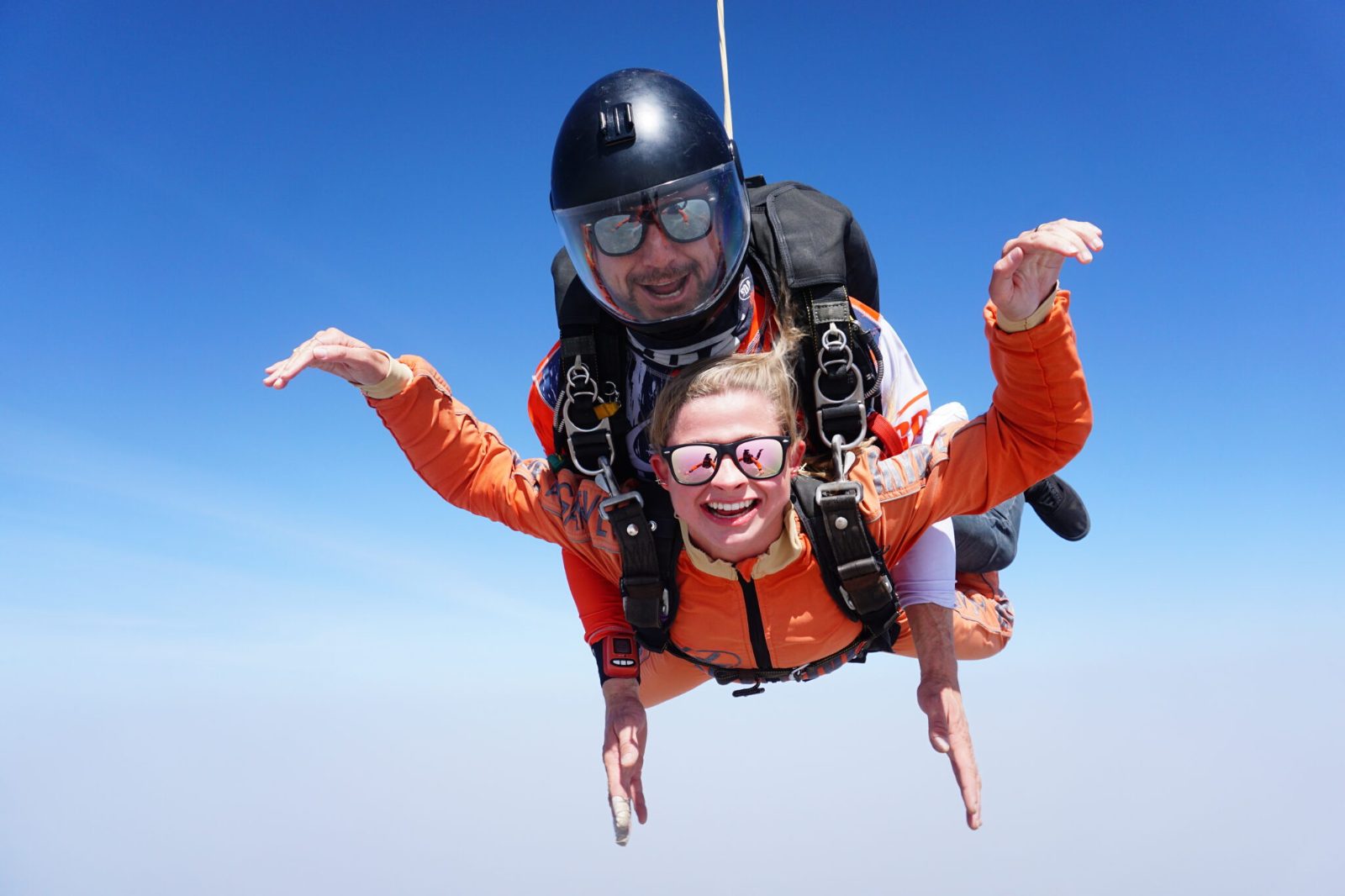
Tandem skydiving produces approximately 0.002 fatalities per 1,000 jumps in the United States, making it statistically safer than many common road trips. The USPA reports that among 3.65 million jumps logged in 2025, tandem skydiving accounted for 7 fatalities. Your risk depends less on the act of jumping than on instructor certification, equipment inspection protocols, and weather conditions at the drop zone.
The main parachute opens automatically via an Automatic Activation Device set to deploy at 2,500 feet if freefall continues beyond preset parameters. This backup system eliminates the single largest historical cause of skydiving fatalities: human hesitation during deployment. Tandem skydiving risk factors break into three categories. Equipment malfunctions account for less than 0.01% of fatalities when harness systems and canopy inspections follow USPA Group Member guidelines. Human error—primarily improper landing flare or collision during descent—drives the majority of recorded incidents. Weather misjudgment, specifically unpredicted wind shear above 10,000 feet, represents the third variable. Drop zones mitigate this by restricting operations when surface winds exceed 14 knots or when cloud ceilings fall below jump altitude minimums. The perception that skydiving is dangerous stems from its altitude and the irreversibility of the exit. The actual mechanics favor survival: reserve parachutes pack separately from main canopies and carry independent ripcord systems. Instructors complete a minimum of 500 solo jumps and three years of active status before certifying for tandem operations. Each rig undergoes inspection every 180 days by an FAA-certified rigger, and the entire assembly—main canopy, reserve, harness, and AAD—must be replaced or recertified on a manufacturer-specified cycle that rarely exceeds five years. Comparative risk places tandem skydiving below motorcycling, horseback riding, and recreational boating when measured per participant hour. The United States Parachute Association maintains a real-time incident database accessible to any operator, allowing drop zones to identify emerging failure patterns and adjust protocols before they become systemic. Whether skydiving feels dangerous depends on tolerance for exposure, but the measured risk profile sits firmly within recreational sport norms when proper certification and weather protocols are observed.
“The main parachute opens automatically via an Automatic Activation Device set to deploy at 2,500 feet if freefall continues beyond preset parameters.”
Understanding How Dangerous Is Tandem Skydiving
Public perception of skydiving is often shaped by dramatic media portrayals rather than actual safety data. Understanding the mechanics of modern aviation standards helps separate common fears from the reality of the sport.
MythTandem systems utilize a main and reserve parachute, both equipped with an automatic activation device that deploys the reserve if needed.
FactSkydiving is an unregulated extreme activity
MythProfessional skydiving operates under strict safety standards overseen by organizations like the United States Parachute Association.
FactA tandem passenger needs extensive training to stay safe
MythTandem skydiving allows a passenger to experience the jump while a certified instructor manages all technical and safety-critical operations.
FactStatistical risk is equivalent to high-risk professional sports
Safety Preparations for How Dangerous Is Tandem Skydiving
Complete these safety preparations before your tandem skydive to minimize risk and ensure you meet all requirements.
-
Complete the medical questionnaire honestly — Disclose any conditions that could increase altitude or freefall risks.
-
Confirm your weight is under 220 lbs — Most drop zones enforce strict weight limits for tandem equipment safety.
-
Bring government-issued photo identification — Required to verify age and identity before jumping.
-
Wear athletic shoes and fitted clothing — Loose garments can interfere with harness security and body position.
-
Avoid alcohol for 24 hours beforehand — Impairment increases error probability and slows reaction time during emergency procedures.
-
Arrive during the 09:00–12:00 window — Morning conditions offer the most stable weather for safe jumps.
When to Go: Assessing How Dangerous Is Tandem Skydiving by Weather
The best arrival window is 09:00–12:00, as weather conditions are typically most stable and calm in the morning. Prioritizing these hours minimizes exposure to thermal turbulence and afternoon wind shifts, which are primary environmental variables in skydiving safety.
Spring (April–May)
Moderate demandMild temps 10°C to 20°C; low wind. Stable air masses during these months provide consistent conditions for tandem operations.
Summer (June–August)
High demandWarm temps 20°C to 30°C; risk of storms. Afternoon convection and thunderstorm activity can increase weather-related safety risks.
Autumn (September–October)
Moderate demandCool temps 10°C to 22°C; stable air. Generally clear skies and lower wind speeds characterize this optimal period for jumps.
Morning Hours
——
Calm winds and lower temperatures during the 09:00–12:00 window offer the most predictable environment for safe descent.
Verdict: For the highest level of weather stability, aim for a morning jump during the months of April or October.
Opening Hours for How Dangerous Is Tandem Skydiving
Operational hours for inquiries regarding tandem skydiving safety and logistics are limited to the end of the week. Please plan your schedule according to the availability listed below.
| Monday | Closed | |
|---|---|---|
| Tuesday | Closed | |
| Wednesday | Closed | |
| Thursday | Closed | |
| Friday | 09:00–17:00 | |
| Saturday | 09:00–17:00 | |
| Sunday | 09:00–17:00 |
Navigating to Where You Can Learn How Dangerous Is Tandem Skydiving
The United States Parachute Association is located at 5401 Southpoint Centre Blvd, Fredericksburg, VA 22407. Visitors can reach this location primarily by personal vehicle or taxi via the I-95 corridor.
I-95 to Exit 126 (US-1 South)
From Fredericksburg VRE Station
Check availability
Frequently asked questions about how dangerous is tandem skydiving
Everything you need to know about how dangerous is tandem skydiving